Rivets
Overview
Rivets are permanent mechanical fasteners that have been used for centuries to join materials together. Unlike bolts and screws, rivets create a permanent joint that cannot be easily disassembled without destroying the fastener. This makes them ideal for applications requiring high structural integrity and vibration resistance.
We manufacture a comprehensive range of rivets including blind rivets (pop rivets), solid rivets, semi-tubular rivets, and structural rivets in various materials and sizes to meet diverse industrial needs.
Rivet Types
- Open End Blind Rivets
- Closed End Blind Rivets
- Multi-Grip Rivets
- Structural Rivets
- Solid Rivets
- Semi-Tubular Rivets
Key Benefits
- Permanent secure fastening
- Excellent vibration resistance
- One-sided installation
- No thread stripping issues
- Lightweight solution
- Cost-effective for high volume
Technical Specifications
Popular Products
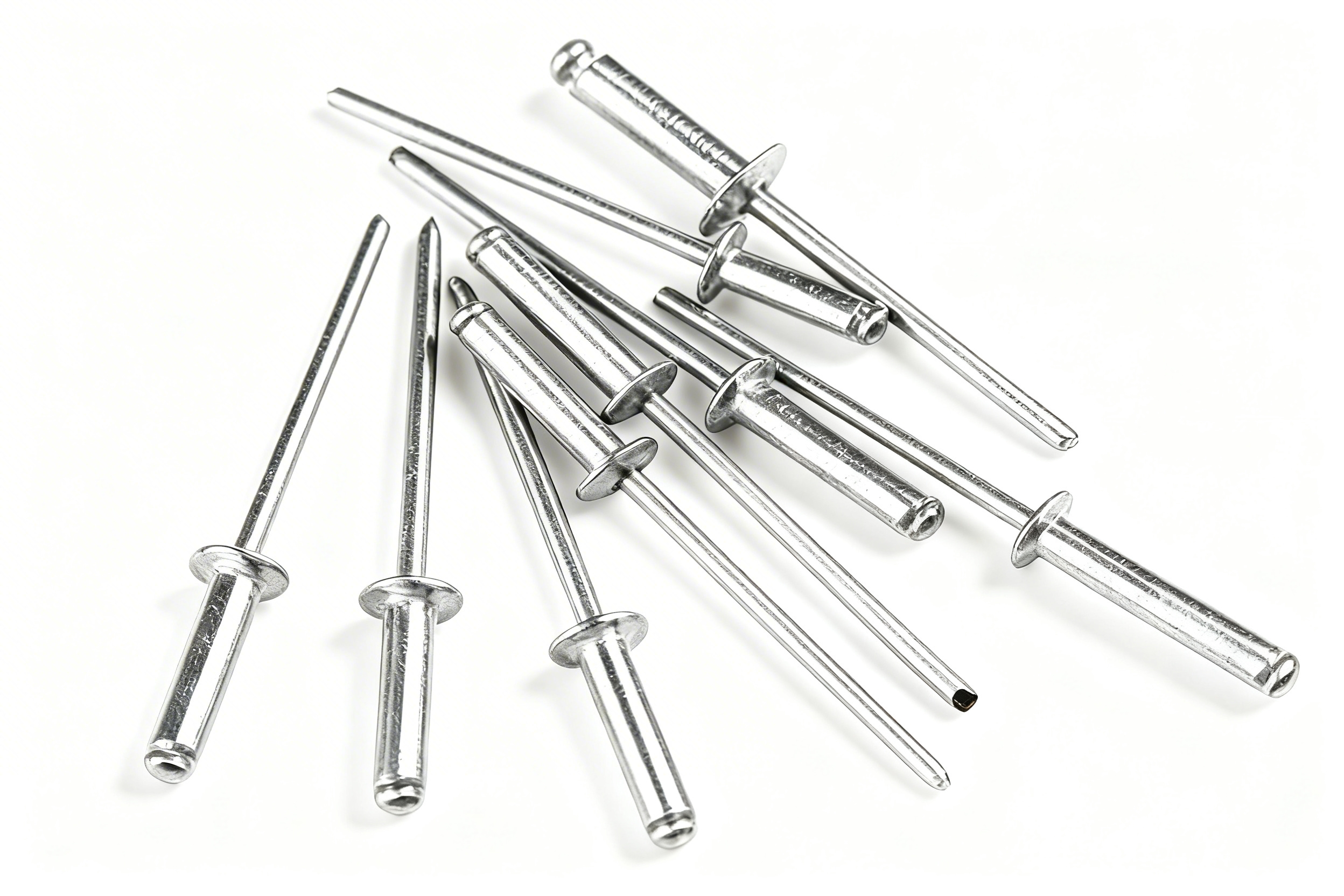
Aluminum Blind Rivet
Lightweight aluminum body with steel mandrel. Ideal for HVAC, automotive trim, and general sheet metal work. Corrosion-resistant and easy to install.
View Details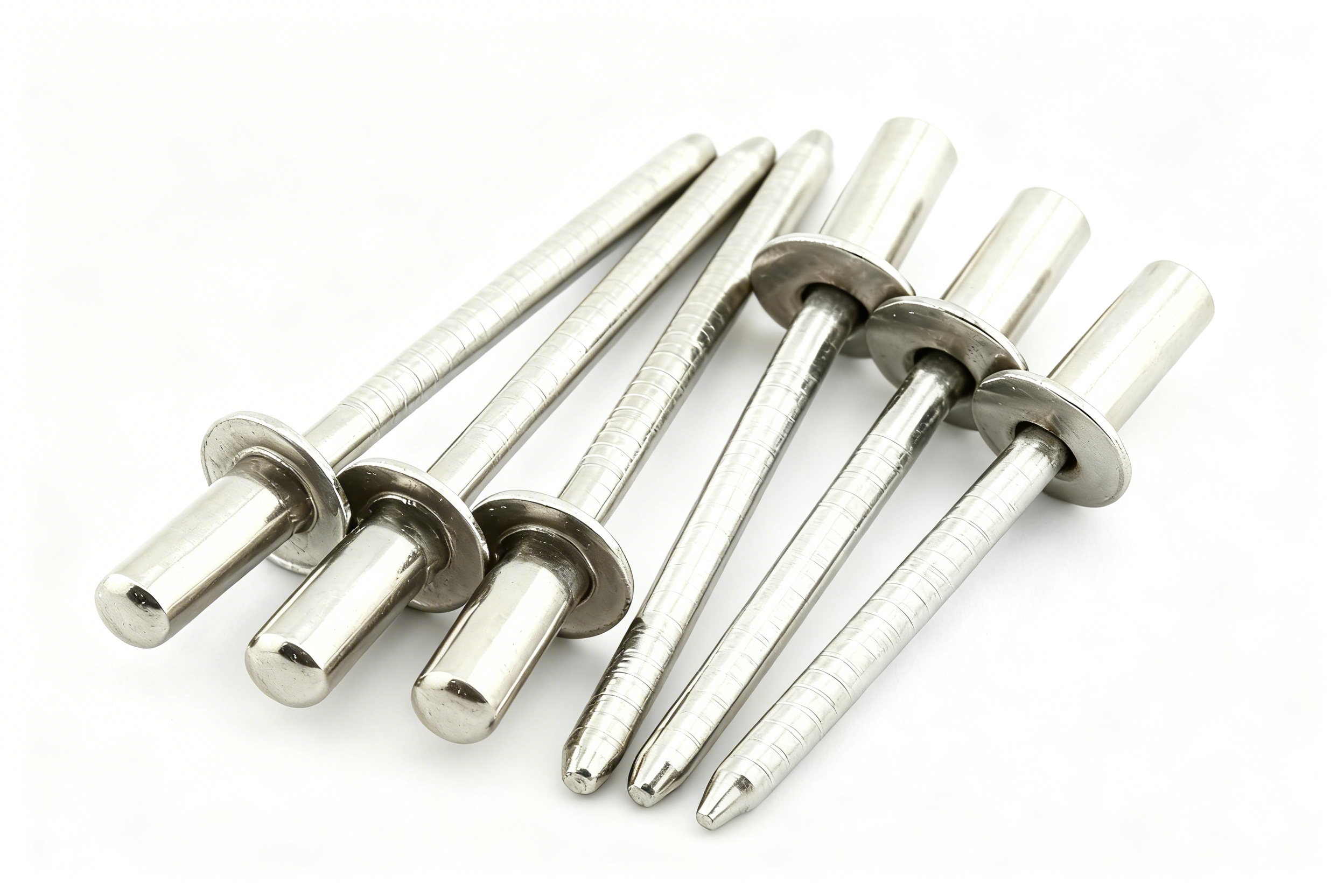
Stainless Steel Rivet
All-stainless construction for marine, food processing, and outdoor applications. Superior corrosion resistance in harsh environments.
View Details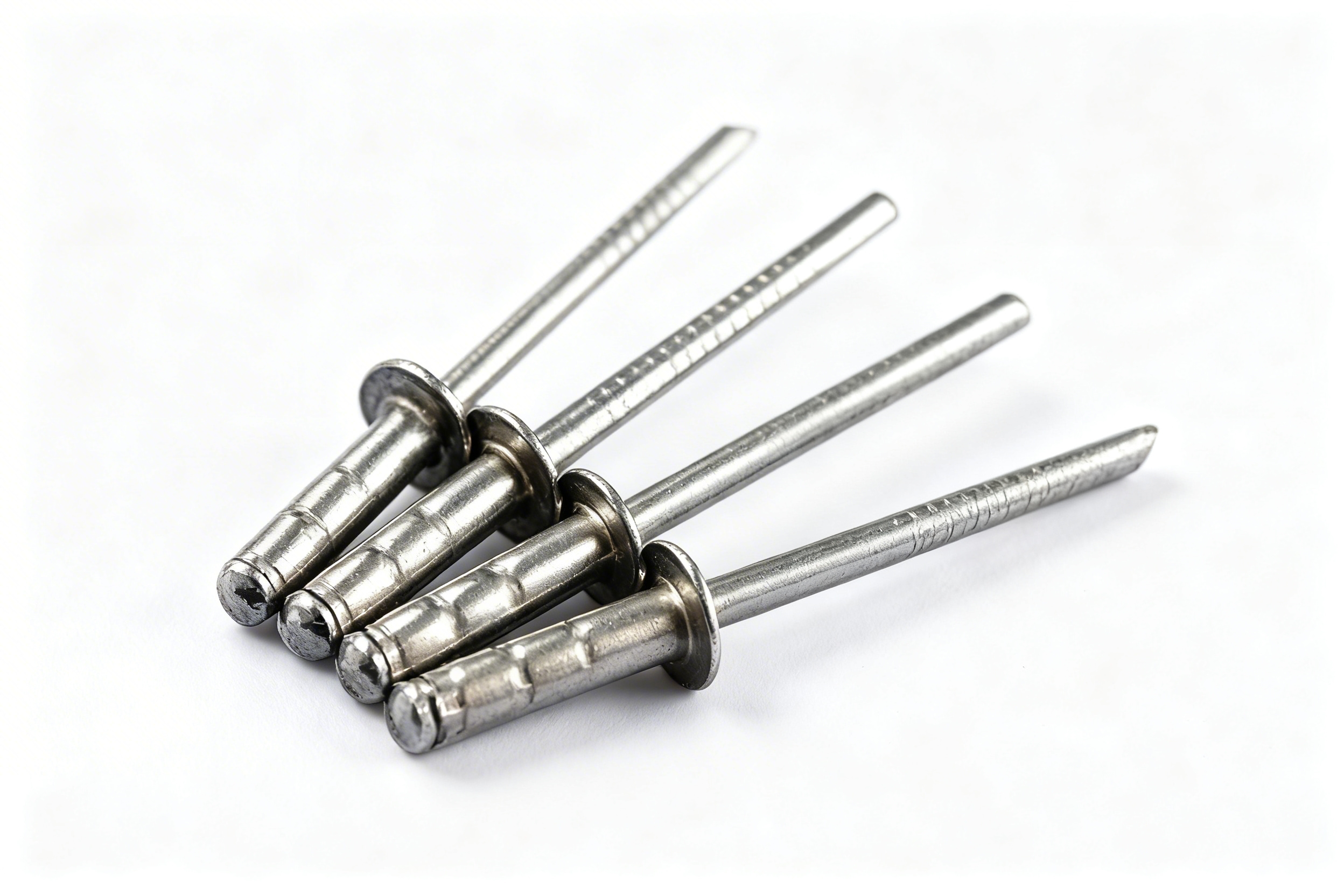
Multi-Grip Rivet
Versatile rivet that accommodates variable material thickness. Reduces inventory needs and provides excellent clamp-up force.
View Details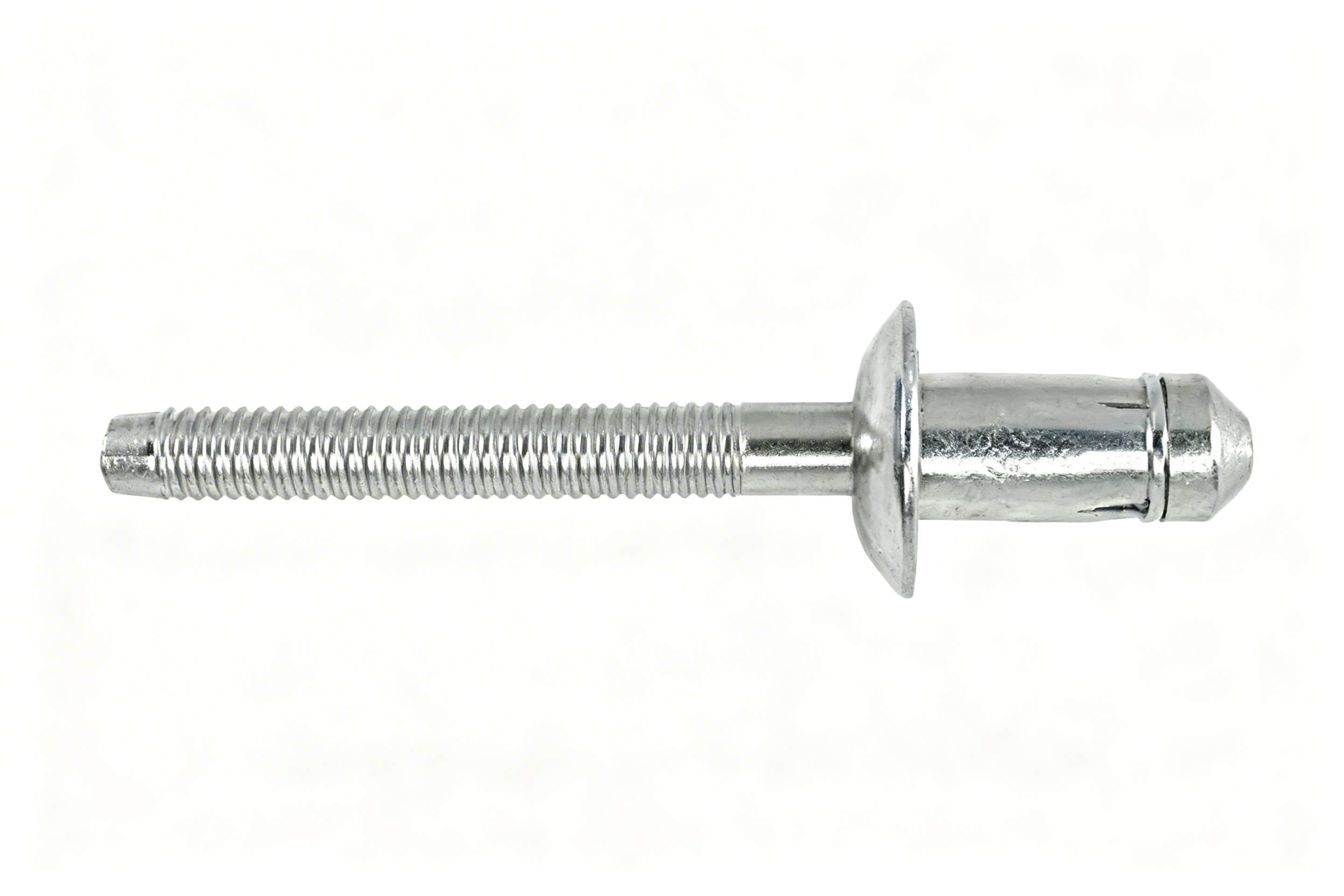
Structural Rivet
High-strength structural rivets for heavy-duty applications. Interlocking mandrel design provides superior shear and tensile strength.
View DetailsApplications
| Industry | Application | Recommended Type |
|---|---|---|
| Automotive | Body panels, trim, interiors | Aluminum Blind Rivets |
| Construction | Metal roofing, cladding | Stainless Steel Rivets |
| Aerospace | Non-structural assemblies | Solid/Structural Rivets |
| Electronics | Enclosures, chassis | Small Diameter Blind Rivets |
| Marine | Boat building, docks | 316 Stainless Rivets |
Installation Guide
Proper rivet installation ensures maximum joint strength:
- Select correct rivet diameter (typically 1.5x material thickness)
- Ensure proper grip range for your material thickness
- Use appropriate rivet gun or tool for the rivet size
- Drill holes perpendicular to the surface
- Maintain consistent pressure during installation
- Inspect mandrel break and head formation