Ti & Ti Alloy Fasteners
Overview
Titanium fasteners represent the ultimate in high-performance fastening solutions. With the highest strength-to-weight ratio of any metal, exceptional corrosion resistance, and biocompatibility, titanium fasteners are essential for aerospace, medical, marine, and chemical processing applications.
Our titanium fasteners are manufactured from aerospace-grade alloys including Grade 2 (Commercially Pure), Grade 5 (Ti-6Al-4V), and Grade 7 (Ti-0.15Pd), meeting stringent AMS, ASTM, and MIL specifications.
Material Grades
- Grade 2 (CP Titanium)
- Grade 5 (Ti-6Al-4V)
- Grade 7 (Ti-0.15Pd)
- Grade 9 (Ti-3Al-2.5V)
- Grade 23 (Ti-6Al-4V ELI)
Key Benefits
- Highest strength-to-weight ratio
- Exceptional corrosion resistance
- Non-magnetic properties
- Biocompatible (medical grade)
- Excellent high-temp performance
Technical Specifications
Popular Products
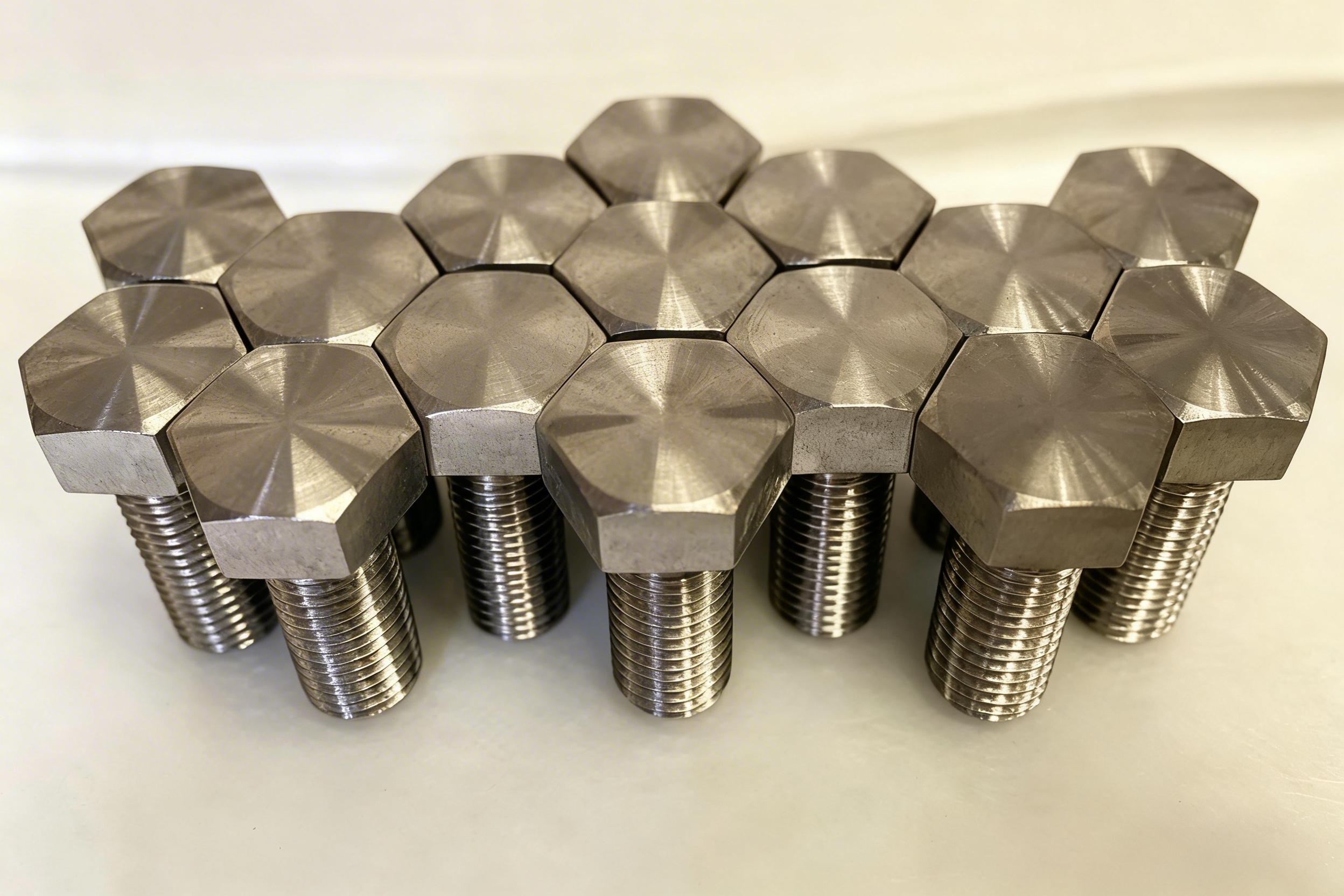
Grade 5 Titanium Hex Bolt
Aerospace-grade Ti-6Al-4V hex bolts for aircraft structures, racing applications, and high-performance equipment. 40% lighter than steel with superior strength.
View Details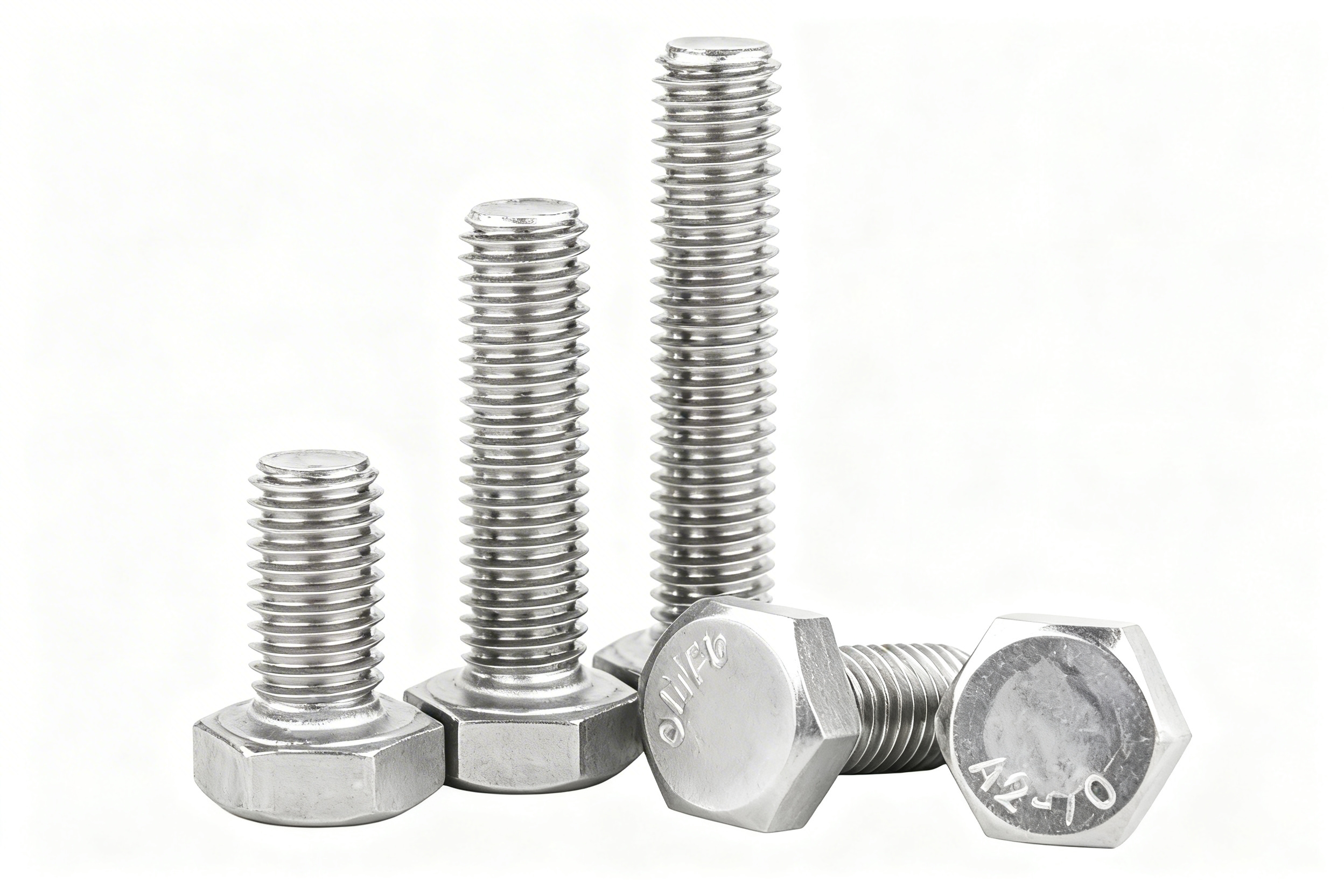
Medical Grade Titanium Screw
Biocompatible Grade 23 (ELI) screws for medical implants and surgical instruments. Meets ASTM F136 standards for implant applications.
View Details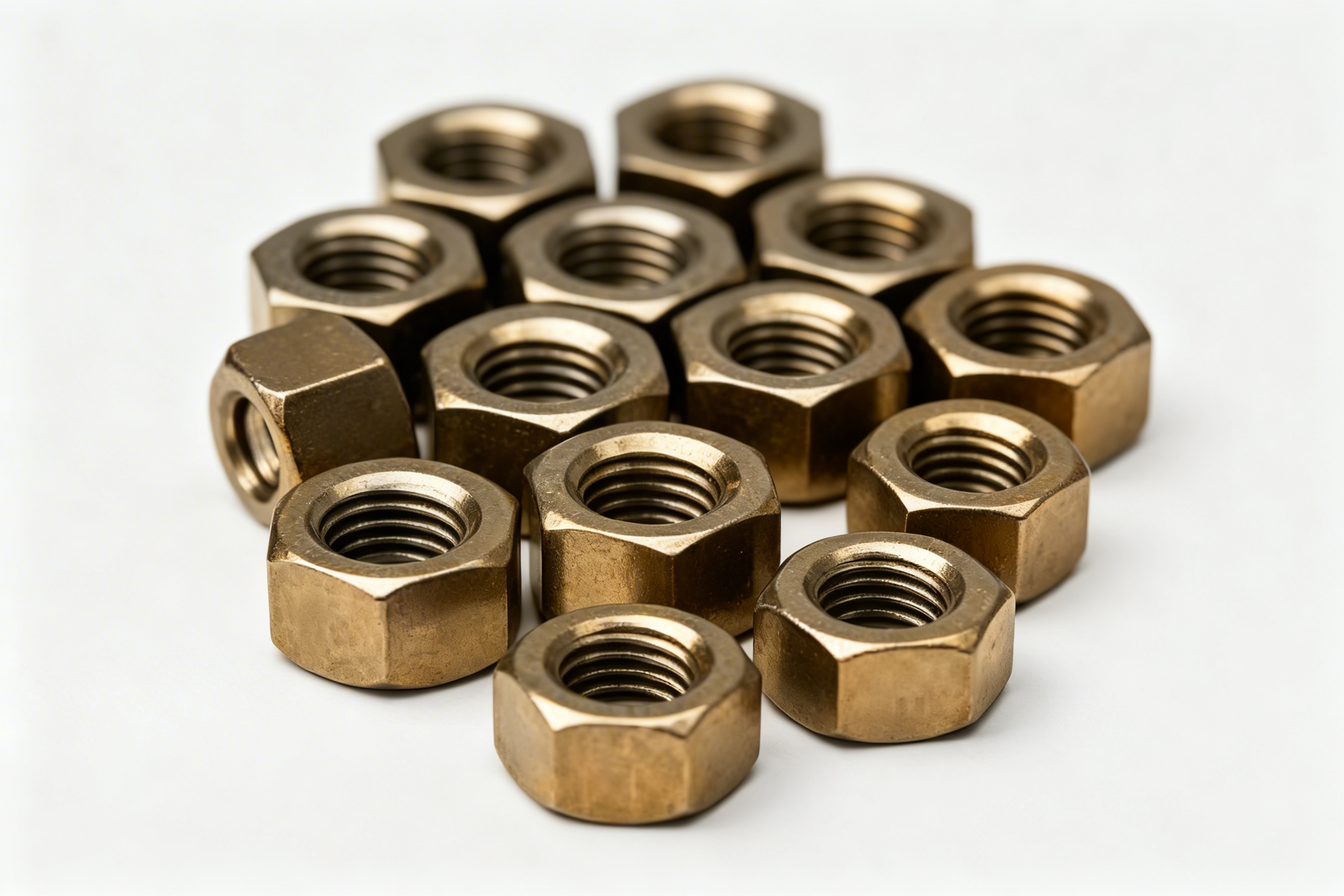
Titanium Hex Nut
Lightweight titanium nuts for marine hardware, bicycles, and chemical processing equipment. Excellent saltwater corrosion resistance.
View Details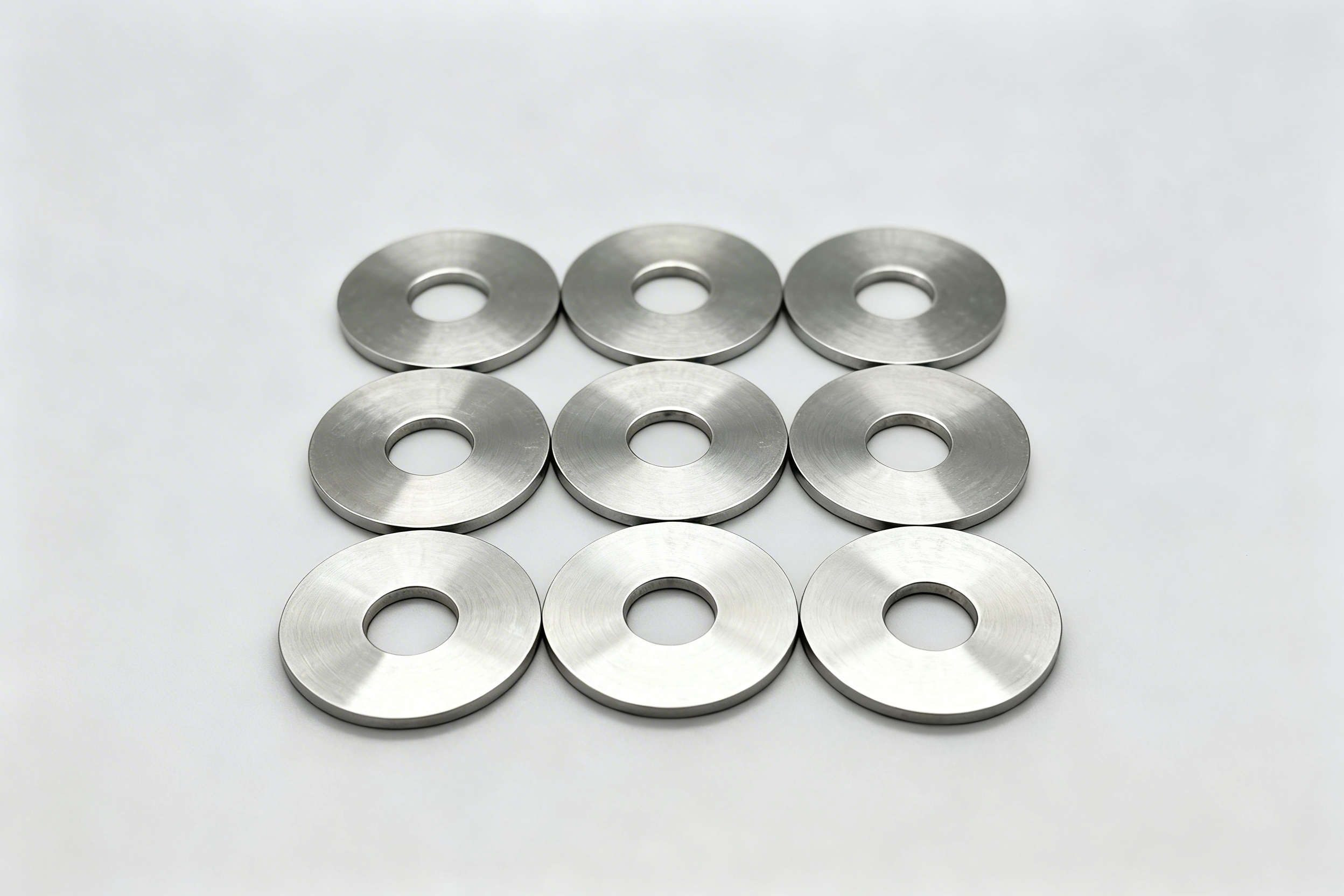
Titanium Flat Washer
Premium titanium washers for critical applications requiring galvanic compatibility with carbon fiber and aluminum structures.
View DetailsApplications
| Industry | Application | Recommended Grade |
|---|---|---|
| Aerospace | Airframe structures, engines | Grade 5 (Ti-6Al-4V) |
| Medical | Implants, surgical instruments | Grade 23 (ELI) |
| Marine | Propellers, underwater equipment | Grade 2 / Grade 7 |
| Automotive | Racing components, exhausts | Grade 5 |
| Chemical | Heat exchangers, reactors | Grade 7 (Pd alloy) |
Quality Assurance
All our titanium fasteners undergo rigorous aerospace-level testing:
- Chemical analysis (O, N, H, Fe content)
- Mechanical testing (tensile, yield, elongation)
- Ultrasonic inspection for internal defects
- Penetrant testing for surface cracks
- Microstructure examination
- Corrosion testing in simulated environments